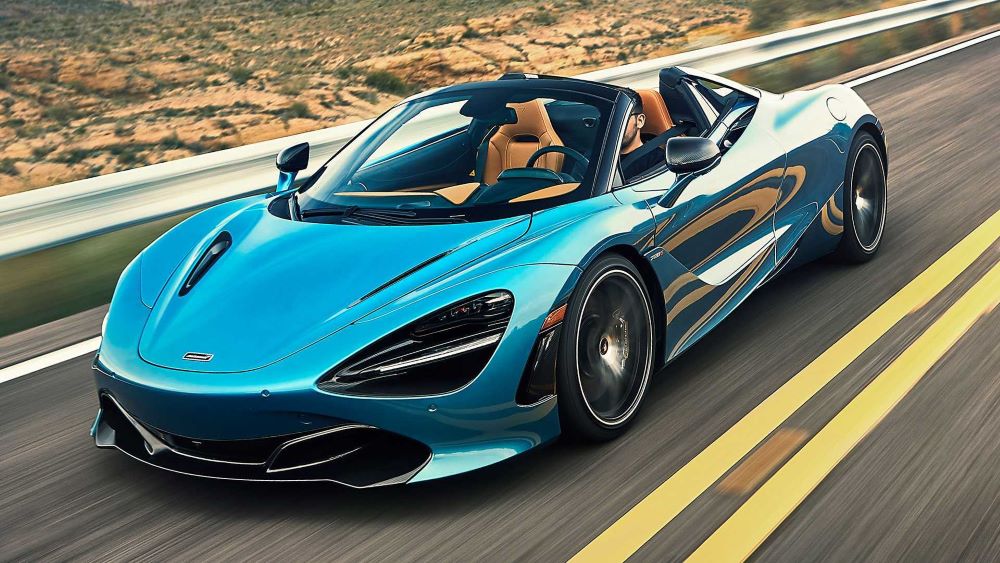
The McLaren 720S pretty much redefined the supercar category when it debuted in 2017. Built on a carbon fiber passenger cell, the 720S uses an active suspension system to take full advantage of its svelte 3,200-pound curb weight. The result is a comfortable road car that readily transitions to capable track car. But if simply going fast in a straight line is your goal, the 720S will oblige. Boasting 710 horsepower from its four-liter, twin-turbocharged V8, this McLaren plows through 60 mph in 2.5 seconds, crushes the quarter-mile in 10.3 seconds, and hits a top speed of 212 mph.
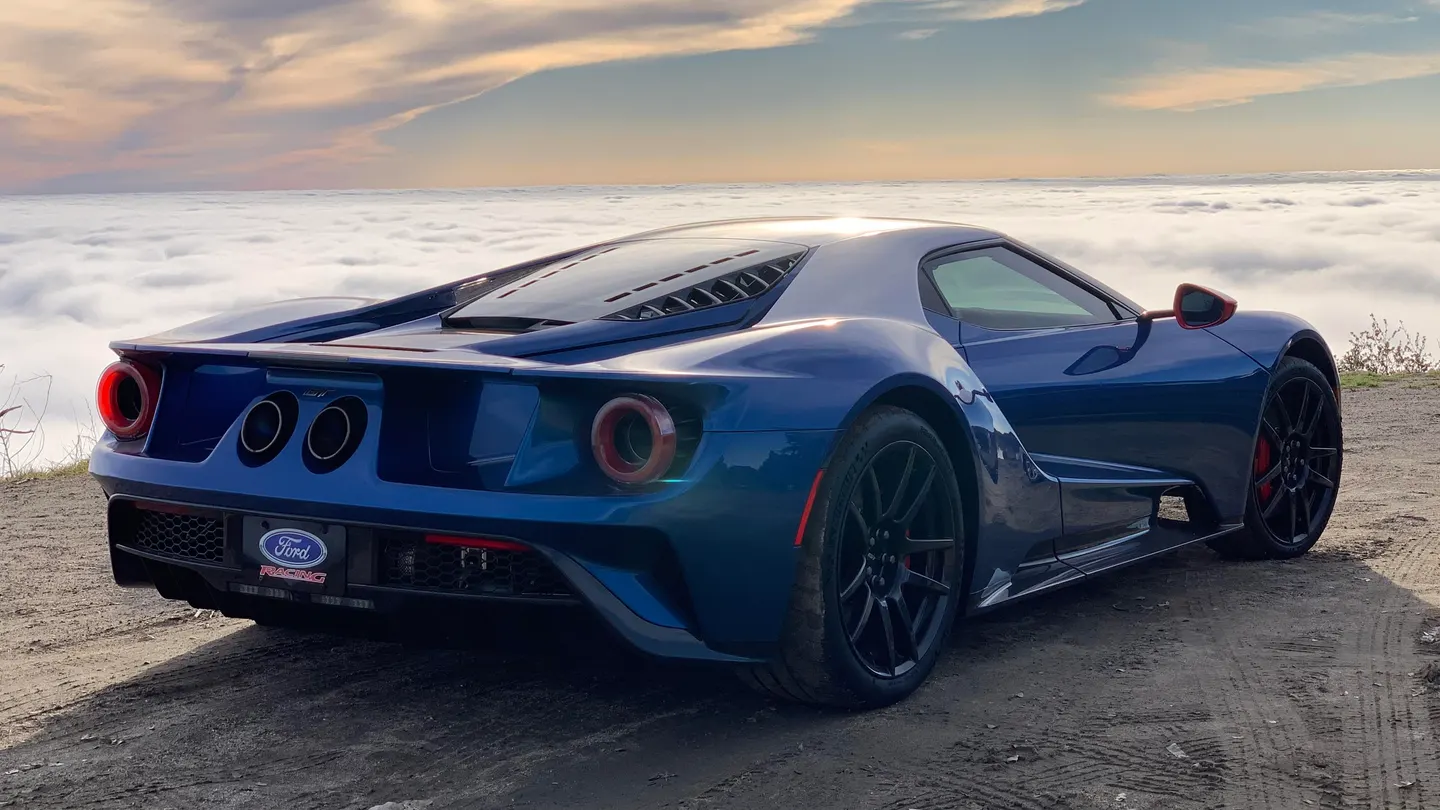
If you’re starting to think only the Brits build fast cars...well...so far you’re right. But five cars in, and another country finally makes the fastest cars list. The latest Ford GT pays homage to the original GT40 that won Le Mans in the 1960s. This GT also won Le Mans, in full race trim, using a combination of low weight, a twin-turbo V6 and aggressive aerodynamics. The street version sends 660 horsepower to the rear wheels through a 7-speed dual-clutch transmission This recipe gets the GT to 60 mph in 2.9 seconds and through the quarter-mile in 10.8 seconds, while nabbing a top speed of 216 mph. ‘Murrica!
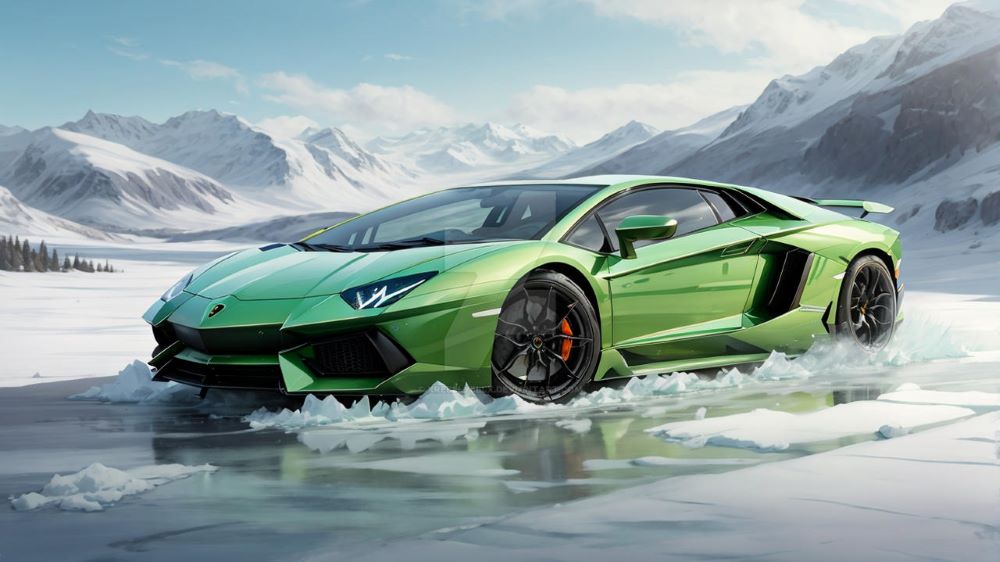
Lamborghini has been producing powerful supercars for over 50 years, but the latest Aventador offers the brand’s strongest performance in a striking package. The mid-engine, naturally-aspirated V12 provides 759 horsepower, while weight-saving efforts bring the newest Aventador SVJ down to a relatively lithe 3,400 pounds. Setting a new lap record at the Nurburgring confirms the car’s dynamic performance, while a zero-to-60 time of 2.5 seconds, a quarter-mile time of 10.3 seconds and a top speed of 217 mph confirms it scoots in a straight line, too.
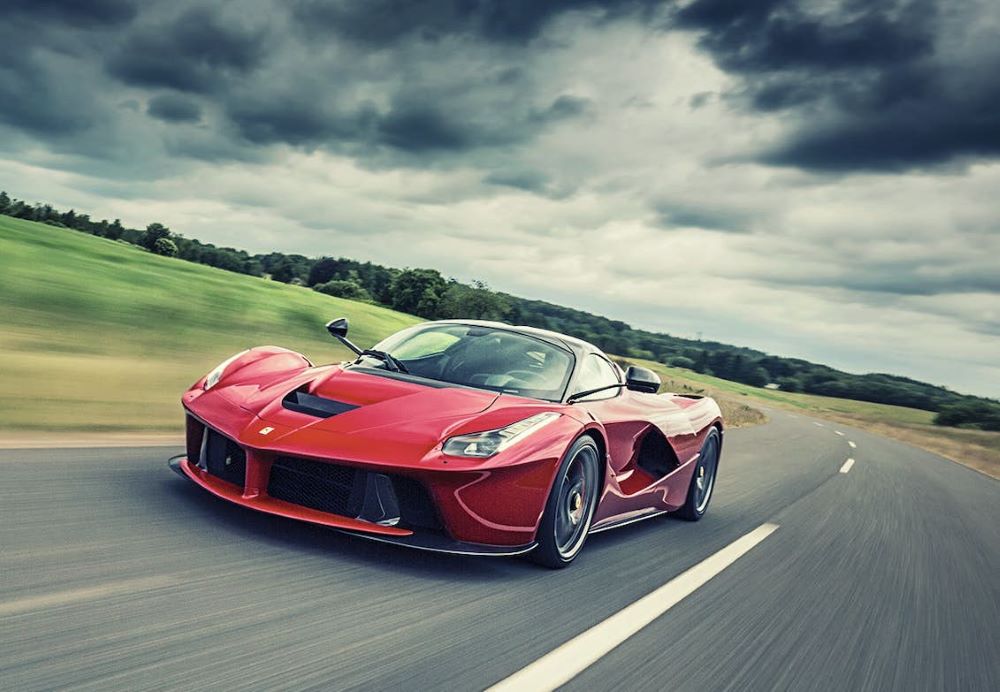
Ten years after the Enzo, Ferrari introduced its next flagship performance car in the form of the LaFerrari. Ferrari’s traditional V12 engine was joined by an electric motor to send 950 horsepower to the rear wheels. Once again, the instant torque of the electric motor provided this supercar with super acceleration, getting it to 60 mph in 2.4 seconds and through the quarter-mile in 9.7 seconds. LaFerrari top speed numbers are hard to pin down, with the automaker claiming 217 mph and social media posts showing one hit 231 mph. We’re confident it’s a 220-plus mph machine.
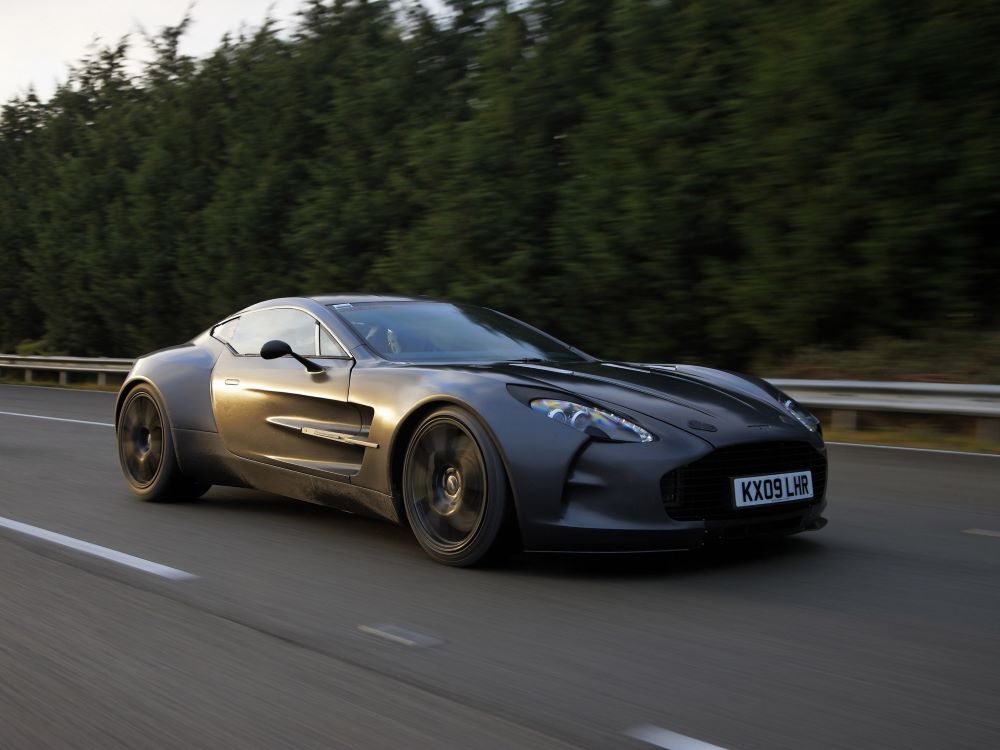
For Aston Martin’s second appearance on World’s Fastest Cars, the British automaker went old school. No turbos, no superchargers, no electric motors. Just a large-displacement, 7.3-liter V12 hauling around a carbon fiber chassis, wrapped in sculpted aluminum. The One-77’s name comes partially from its production run — as only 77 of these 750-horsepower supercars were produced. But every one of them could hit 60 mph in 3.4 seconds and top out at 220 mph.
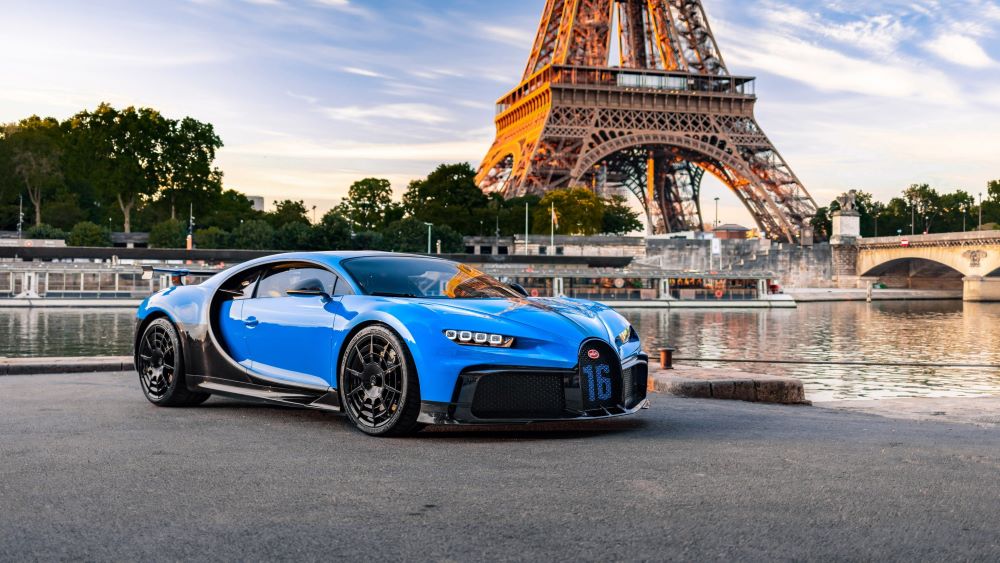
Bugatti followed its top-speed record-shattering Veyron with the Bugatti Chiron in 2016. The updated W16 engine now made an incredible 1,479 horsepower, while top speed debuted at 261 mph. Sure that’s fast, but a special, previous version of the Veyron was still faster when the Chiron debuted.
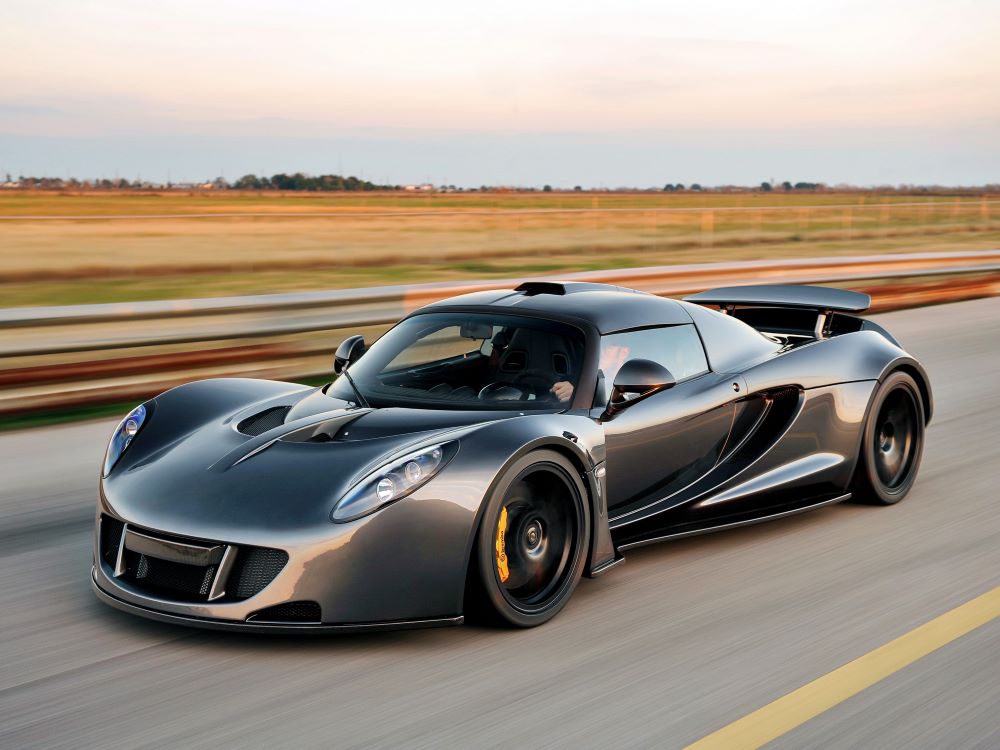
The American-made Hennessey Venom GT is a low-volume supercar based on a Lotus Exige chassis. Comprehensively engineered to keep the 2,700-pound Venom as light as possible, the carbon-fiber bodied platform boasts an active aero system for high-speed stability. Fitted with a twin-turbocharged V8 engine, the rear-wheel-drive Venom develops up to 1,244 horsepower. That’s enough to get the Venom GT up to 270 mph.
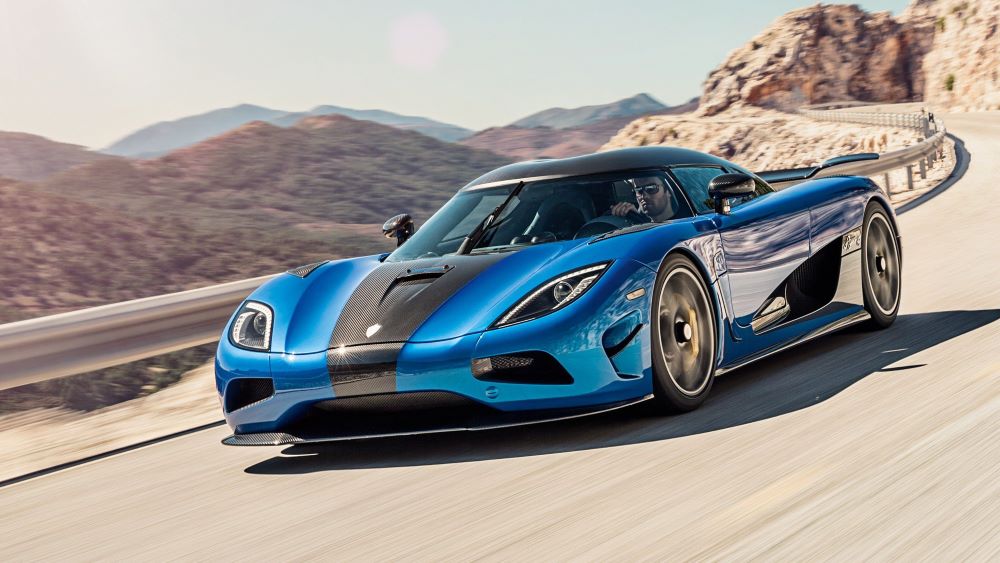
Following up on his CC series, Koenigsegg debuted an all-new model in 2011, dubbed the Agera. A 5.0-liter modular Ford V8 engine, making 947 horsepower, delivered a top speed of 249 mph. But while the Agera topped out at 249 mph, the later Agera R, with improved power and aerodynamics, ran a certified top speed of 273 mph, making it the world’s fastest production car in 2011.
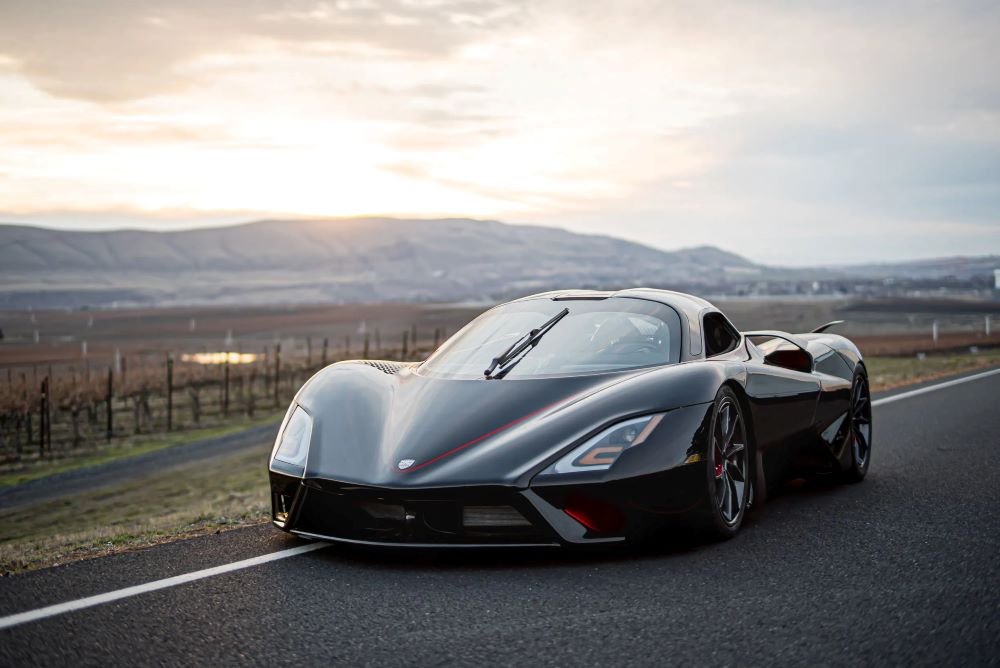
Breaking the 300-mph mark wasn’t enough for the folks at SSC, who began engineering their top-speed entry back in 2009. The Tuatara, named after a New Zealand lizard, features a sleek carbon fiber body. It’s powered by 5.9-liter flat-plane-crank V8 making 1,750 horsepower when run on E85 ethanol. Using a closed highway near Pahrump, Nevada, the SSC Tuatara managed a one-way run of 330 mph, despite tricky cross-winds. Combined with a previous run of 301 mph, the Tuatara’s two-way average, as certified by Guinness, is 316 mph, making it the fastest street-legal production car in the world. At least for now.
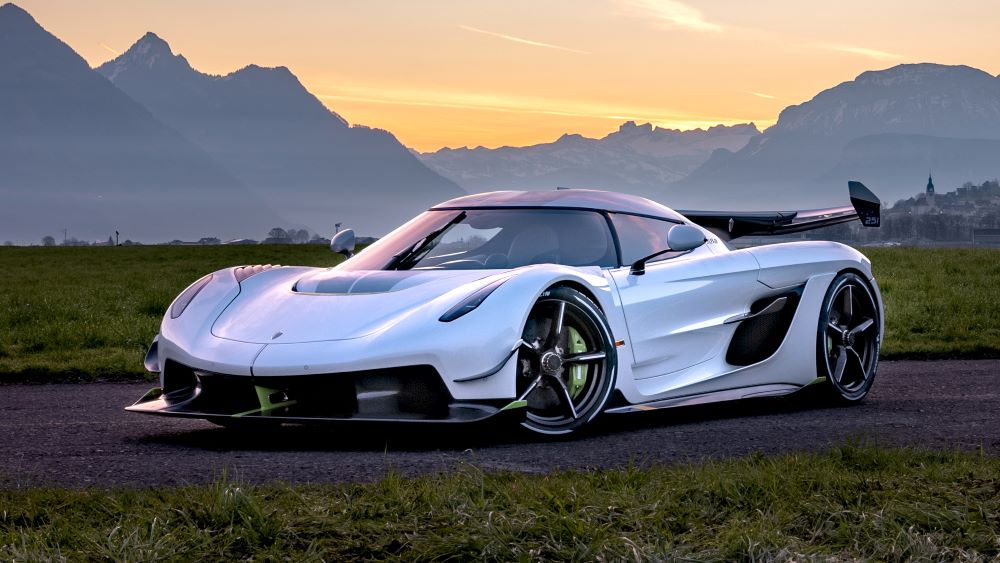
With a production car now topping 330 mph we can pretty much declare the top-speed race over, right? Thankfully, no. Koenigsegg is close to unleashing his next high-speed missile. This one is called the Jesko, an all-new model with more power, more advanced aerodynamics and more speed. The number that’s already being touted? Over 330 mph. Can Koenigsegg regain his title as the man behind the world’s fastest car?
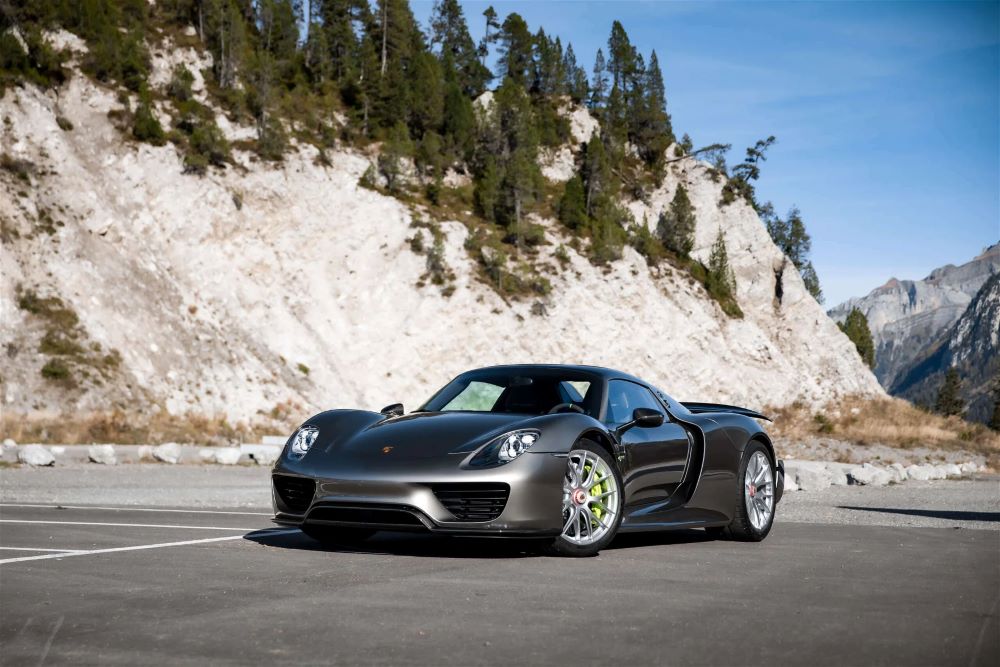
Another member of the hybrid-powered supercar club, Porsche’s 918 Spyder combines a 4.6-liter V8 with dual electric motors to develop a total of 875 horsepower. That much power going to all four wheels can launch the 918 Spyder from a standstill to 60 mph in just 2.1 neck-straining seconds. It also clicks the quarter-mile lights in 9.8 seconds and hits a top speed of 218 mph.